 AuctionGate.io







Fast Cars That Are Cheap: Affordable Performance Guide
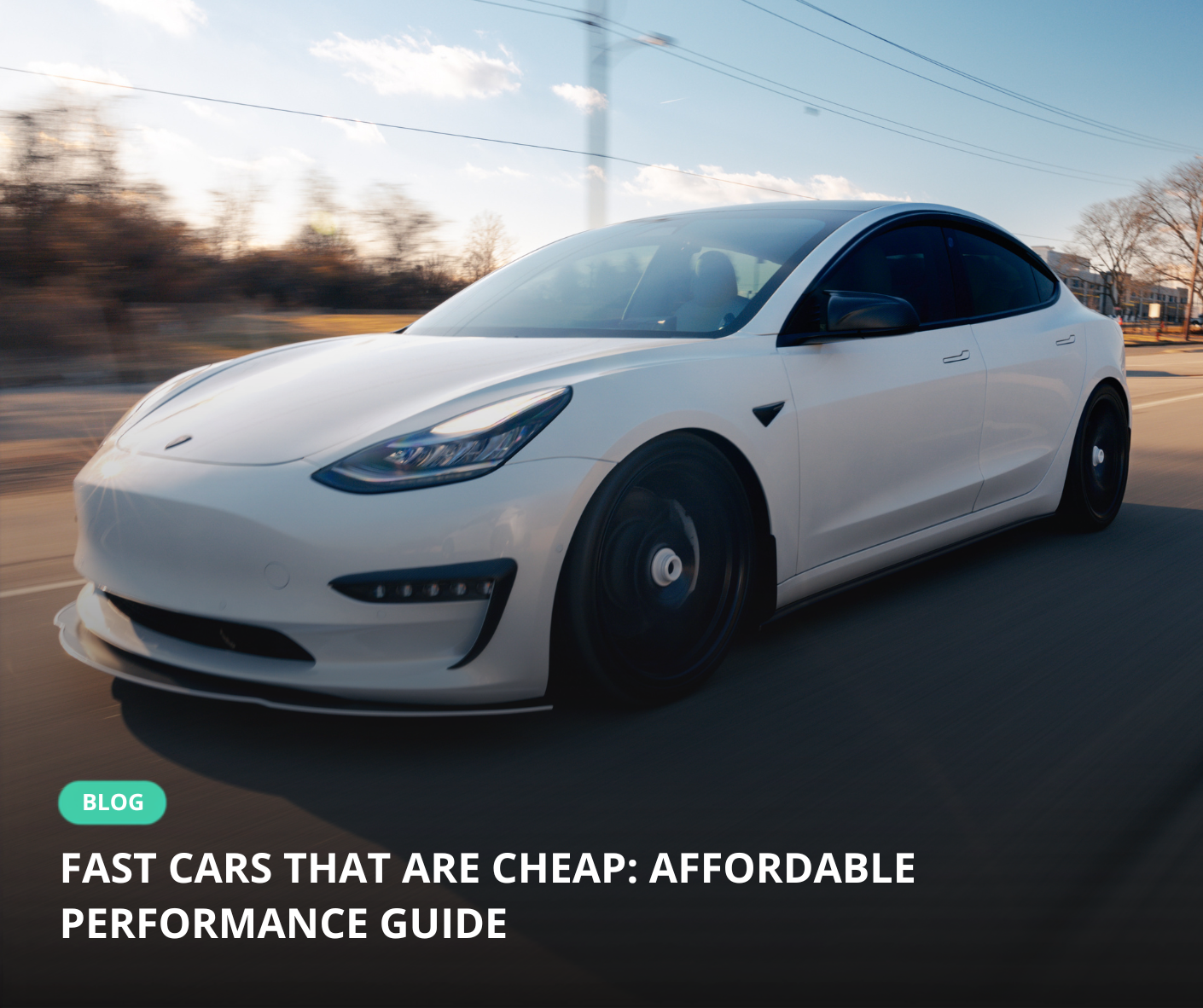
Fast cars don't have to drain your wallet. In 2026, auctions remain one of the smartest places to find cheap fast cars that deliver genuine performance without supercar-level costs. The key is knowing which models combine speed, reliability, and manageable ownership expenses.
Many buyers chase horsepower numbers alone, but real value lies elsewhere. The best fast cheap cars balance acceleration, handling, and long-term durability. When sourced through auctions, these vehicles often cost thousands less than dealership equivalents, making performance more accessible than ever.
This guide focuses on realistic options — cars you can afford to buy, maintain, and actually enjoy driving every day.
What Makes a Car "Cheap but Fast" at Auctions
Before you start bidding, it helps to understand what "fast but cheap" really means in the auction world. It is not about chasing the biggest number on a spec sheet. It is about finding a car that feels quick to drive, holds up over time, and does not ask for constant repairs. Buyers who understand this idea from the start make smarter choices and avoid overpaying for a car that only looks good on paper.
Speed alone does not define value. At auctions, a "cheap but fast" car is one that offers strong real-world performance relative to its purchase and ownership cost, not just a flashy 0–60 figure.
Weight plays a bigger role than raw power. Lighter vehicles with modest engines often feel faster than heavier cars with higher horsepower. That's why many fast but cheap cars rely on balance, gearing, and responsive drivetrains rather than brute force.
Equally important is mechanical simplicity. Naturally aspirated engines, proven transmissions, and wide aftermarket support dramatically reduce repair risks. Auctions reward informed buyers who understand where speed and affordability actually intersect.
Once you understand this balance, shopping at auctions becomes much easier. You stop chasing flashy listings and start looking for cars with the right mix of light weight, simple mechanics, and good parts support. This mindset alone can save you thousands of dollars and steer you away from cars that look fast but cost a fortune to keep running.
Top Cheap Fast Cars Under $5,000 Available at Auctions
A budget of $5,000 sounds small, but it opens the door to a surprising number of fun, quick cars if you shop at auctions instead of dealer lots. Auction pricing often runs well below retail because these sales move fast and skip the usual dealer markup. The models below are proven picks that buyers keep coming back to because they deliver real driving enjoyment without draining a bank account.
Finding cheap fast cars under $5,000 requires realistic expectations — but the performance potential is still impressive when you choose wisely.
Best Picks for Acceleration and Handling
Cars like the Acura RSX and Mazda Miata NB remain auction favorites because they deliver quick throttle response and excellent chassis balance. They may not dominate drag strips, but they feel fast where it matters most — corners, on-ramps, and real roads that people actually drive every day.
The Infiniti G35 offers a different approach: V6 power, rear-wheel drive, and solid highway acceleration. When bought right, it delivers performance that still surprises modern traffic and feels more special than its price suggests.
These models prove that speed is not just about horsepower — it's about how effectively a car uses what it has. A well-tuned chassis and a responsive engine can beat a bigger, heavier car in the ways that matter on normal roads.
Models With Low Maintenance Costs and Strong Reliability
Reliability separates smart budget buyers from regretful ones. Vehicles like the Mustang V6 (mid-2000s) and Subaru Impreza 2.5i offer respectable speed without fragile drivetrains that break down after a few thousand miles.
Parts availability matters just as much as the engine itself. These platforms benefit from massive aftermarket ecosystems, keeping repair costs predictable and easy to plan for. That's why they consistently rank among cheap fast reliable cars, especially when sourced through auctions where pricing inefficiencies still exist and good deals slip through.
At this price point, the smartest move is picking a car with a strong track record instead of chasing the newest or flashiest option. A well-known model with cheap parts and a simple engine will almost always beat a rare or unusual car that looks exciting but costs a fortune to keep on the road. Stick to proven choices and you will get more driving enjoyment for every dollar spent.
Cheap Fast Cars Under $10,000: More Power, Still Affordable
Stepping up to a $10,000 budget changes what is possible at auction. You gain access to newer model years, lower mileage, and engines that respond better to simple upgrades. This price range is often the sweet spot for buyers who want a noticeable jump in performance without moving into the territory of expensive repairs or hard-to-find parts.
With a slightly higher budget, cheap fast cars under 10k unlock noticeably stronger performance and better overall condition.
This price range often includes newer generations, improved safety features, and engines that respond well to light tuning. Turbocharged four-cylinders and modern V6s become viable without sacrificing reliability.
For buyers who want speed without constant wrenching, this bracket represents the best balance between excitement and sanity.
Performance Models That Hold Value While Staying Low-Cost
Cars that retain value tend to do so for a reason. Strong drivetrains, consistent demand, and proven longevity help these vehicles remain fast cars for cheap even years later, long after flashier models have dropped in price and popularity.
Buying at auction reduces depreciation risk even further, especially when selecting models with clean mechanical histories rather than cosmetic perfection. A car with a solid engine and a few paint scratches is almost always a better buy than a shiny car with hidden mechanical problems.
The $10,000 range rewards buyers who do their homework. Look past the shiny paint and focus on service records, mileage, and how the car has been maintained. A slightly higher budget gives you room to walk away from a bad deal and wait for the right one, which is often the biggest advantage you can have at auction.
Fast Cars That Are Cheap to Maintain: Reliability Over Raw Speed
Owning a fast car costs more than the price you pay at auction. Insurance rates, tires, brakes, and fuel all add up over time, and some cars are far more forgiving on your wallet than others. This section looks past the auction price tag and focuses on the real cost of keeping a fast car running week after week.
True affordability extends beyond the purchase price. Insurance, fuel, repairs, and parts availability determine whether a car remains enjoyable or becomes a burden.
The smartest buyers prioritize platforms known for durability. A slightly slower car that starts every morning often outperforms a faster but unreliable alternative in real ownership satisfaction.
That's why many fast cars that are cheap share one trait: conservative engineering paired with efficient performance.
In the end, the cheapest fast car is not always the one with the lowest price tag. It is the one that keeps running without constant trips to the shop. Choosing a car built on simple, well-tested engineering will almost always save you money and stress compared to a car that is exciting for the first month and expensive for every month after.
Hidden Auction Gems: Fast but Cheap Cars People Overlook
Some of the best deals at auction are sitting in plain sight, ignored simply because they do not look exciting in a photo. Buyers who are willing to look past a boring body style or an unfashionable badge often walk away with a car that drives far better than its price suggests.
Not all performance bargains are obvious. Auctions reward buyers willing to look past hype.
Underappreciated Sport Sedans
Older sport sedans often deliver surprising acceleration and stability while flying completely under the radar. Their four-door layouts scare off younger buyers looking for something flashier, which keeps prices low — even when the performance underneath is genuinely strong and well engineered.
Older Performance Cars With Strong Aftermarket Support
Cars with mature aftermarket ecosystems remain viable long after production ends. Suspension kits, brake upgrades, and replacement parts are readily available at low prices, extending both performance potential and lifespan well beyond what the original owner probably expected.
These overlooked platforms often become some of the best cheap fast cars once buyers recognize their long-term value and stop paying attention to what is trendy.
Hidden gems reward patience. It takes a bit more research to find them, but the payoff is a car that performs well, costs little to fix, and rarely gets outbid because other buyers are chasing something shinier. Keeping an open mind at auction is often the fastest way to find real value.
What to Check Before Buying a Cheap Fast Car at Auction
No car is a good deal if it falls apart a month after you buy it. Before you place a bid, it pays to have a short checklist in mind so you do not get distracted by a low price and miss a serious problem hiding underneath.
Speed means nothing if the fundamentals are compromised. Auctions demand disciplined inspection priorities.
Engine compression, transmission health, and cooling systems should always come first. Performance cars are often driven hard, and internal wear matters more than exterior condition.
Accident history, frame condition, and mechanical red flags can instantly erase any savings. Bent subframes or poorly repaired damage turn "cheap" into "expensive" very quickly.
Before you bid, run through this simple list:
- Engine compression and overall engine health
- Transmission condition and how smoothly it shifts
- Cooling system condition, including hoses and the radiator
- Frame and subframe condition for signs of accident damage
- Service history and how well the car was maintained
A quick inspection before bidding can save you from a costly mistake. Even a few extra minutes checking these basics will tell you far more than a shiny paint job or a low odometer reading ever could. The goal is simple: buy the car with the fewest hidden problems, not just the lowest price.
How to Balance Speed, Budget, and Long-Term Ownership Costs
Buying a fast car on a budget is really about making smart trade-offs. You are not just picking the quickest car for the money — you are picking the car that will still make sense to own six months or two years from now, after the excitement of the auction win has faded.
The best approach is strategic restraint. Choose platforms known for durability, avoid extreme modifications, and focus on performance per dollar rather than bragging rights.
Smart buyers treat auctions as data-driven environments. When speed, maintenance, and resale value align, you don't just buy a fast car — you buy confidence.
Keep these four factors in mind before you commit to a bid:
- A reliable engine and drivetrain with a known track record
- Parts that are cheap and easy to find
- Reasonable insurance and fuel costs for your budget
- Strong resale value in case you decide to sell later
That balance is what defines truly cheap fast cars worth owning. When you weigh these factors together, the right car usually becomes obvious. It might not be the fastest car at the auction, but it will be the one that keeps you smiling every time you drive it, without draining your bank account through repairs, insurance, or fuel. That is the real definition of a smart buy.
Conclusion
Finding a fast car on a budget is entirely possible if you shop smart. Auctions give you access to proven, reliable models that offer real performance without the high price tag of a dealership. By focusing on mechanical health, parts availability, and long-term ownership costs instead of flashy numbers, you can drive away with a car that is genuinely fast, genuinely affordable, and genuinely fun to own for years to come.
Ready to find your own cheap fast car at auction? Register now at AuctionGate — no credit card required. Browse live Copart and IAAI listings, compare real prices before you bid, and start your search for a fast, affordable ride today.
FAQ:
Q1: What's the fastest car but cheap?
A: The fastest cheap cars are typically lightweight models with efficient engines, such as older sport coupes or V6 sedans sourced at auctions. These cars rely on quick throttle response, a light chassis, and confident handling rather than a massive engine. Performance per dollar matters more than raw horsepower, since a lighter car with modest power can often feel just as quick as a heavier car with a bigger number on the spec sheet, while costing far less to buy and maintain over time.
Q2: What are the best cheap fast cars under $5,000 in 2026?
A: Well-maintained Acura RSX, Mazda Miata NB, Infiniti G35, and V6 Mustangs remain strong choices due to proven reliability, available parts, and solid real-world performance. Each of these models has a long track record at auction, which means plenty of history, reviews, and known problem areas to check before you buy. They also benefit from large communities of owners, which makes finding parts and advice much easier than with rarer or less popular cars.
Q3: Are cheap fast cars reliable enough for daily driving?
A: Yes — if chosen carefully. Models with naturally aspirated engines, simple transmissions, and strong aftermarket support are often reliable daily drivers when properly maintained. The key is picking a car with a known history of dependable service, rather than one that has been heavily modified or driven hard without regular maintenance. A well-cared-for example of a proven model can easily handle daily commuting for years without major issues.
Q4: How much should I budget for repairs after buying a cheap fast car at auction?
A: It is smart to set aside a repair budget even if the car looks to be in good shape when you buy it. A good rule of thumb is to keep $500 to $1,000 in reserve for smaller items like fluids, filters, tires, and minor wear parts, especially on a car with unknown service history. Setting this money aside from the start means a surprise repair will not wreck your budget or turn a great auction deal into a financial headache.