 AuctionGate.io







How to Sell a Leased Car: A Step-by-Step Guide
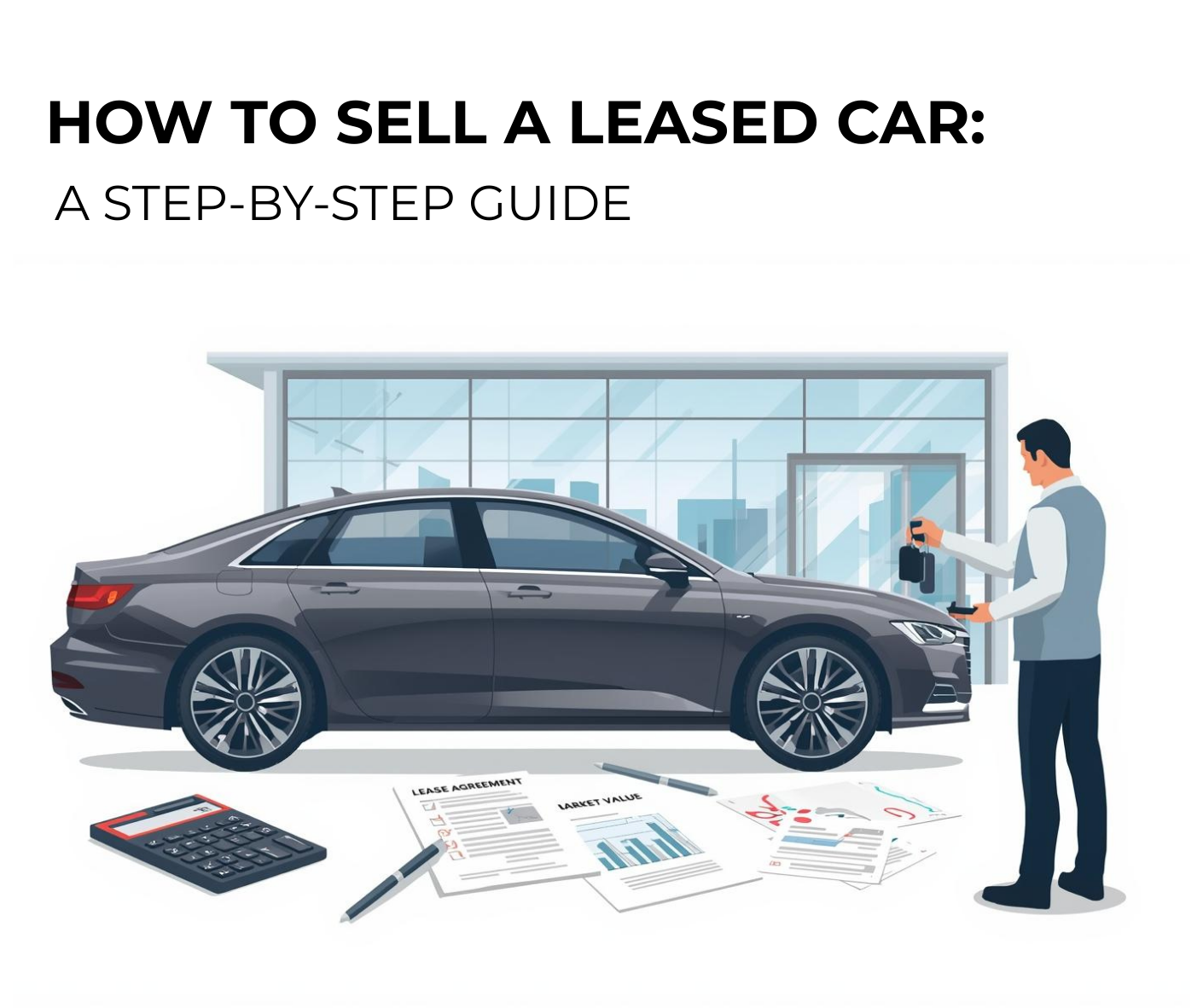

Transferring a leased car is not as straightforward as selling a fully owned vehicle, but it can be done with careful planning. First, review your lease agreement to understand the payoff amount — this is what you owe the leasing company to buy out the vehicle. Next, determine the car’s current market value using online tools or dealer quotes to see if it exceeds the payoff amount. If it does, you may make a profit by selling to a private buyer or trading it in. Contact the leasing company to get their approval and instructions for the transfer; some require the buyer to pay the lease directly or handle the payoff themselves. Finally, complete the sale paperwork, settle the lease payoff, and transfer the title or lease obligations to the new owner. Following these steps ensures a smooth transaction while staying compliant with your lease terms.
Can you sell a leased car — how the process works
When you’re leasing a car, you do not legally own it — the title remains with the leasing company until a buyout is executed. Because of that, many lessees wonder can i sell my leased car before the lease ends. The short answer: you can, but only under certain conditions and with extra steps.
The key concept is the lease buyout (or payoff) — the amount you must pay to convert the lease into ownership. That buyout is often pre-defined in your lease contract (called the residual value) plus any remaining payments, fees, or taxes.
If the current market value of your car exceeds that buyout amount, you have positive equity in lease. But if the buyout is higher than the value, you’ll face negative equity and may need to cover the difference.
One complication: many leasing contracts include a third-party buyout restriction, meaning you may need permission from the lessor to sell to someone else.
In short — selling a leased car is not a simple “sell what’s yours” scenario, but a two-stage process: first secure ownership, then sell.

How to sell your leased car — step-by-step process
Step 1: Check your lease contract & request payoff
Start by reviewing the lease documents. Locate the residual value and any clauses about early termination or third-party sales. Then, contact your leasing company and request a current payoff quote, which will include remaining payments, any early termination fees, and taxes.
This payoff number is your baseline: every potential sale must at least cover it (or you’ll pay the shortfall). If some debt remains — can I sell a car with outstanding finance — you must resolve that before ownership can transfer.
Step 2: Estimate market value and compare
Use trusted valuation tools or local market comparables to find what your car would sell for in the open market. Compare that with the payoff. If market value > payoff, you have equity; if lower, you have negative equity.
If positive difference exists, that spread is your potential profit margin.
Step 3: Decide which route to take — buy + sell, or direct sell
Now you have options:
- Buy out the lease yourself, get the title, then sell the car as fully your own. This is the cleanest way, but you need financing or cash.
- Sell via a dealer or online buyer who will handle payoff for you. Some large buyers (CarMax, Carvana) will contact your lessor directly and work out payoff as part of the deal.
- Lease transfer / lease takeover: instead of selling, someone takes over your lease. This avoids full ownership conversion. But only possible if your contract allows it.
Often, you’ll sell the car and the buyer pays off the lease — overpaying you the equity portion. But if your contract forbids third-party buyouts, you must do the full buyout first.
Step 4: Execute the sale & transfer
Once you’ve lined up a buyer or a dealer, arrange paperwork:
- If you’ve already bought out, get the title transferred to the buyer.
- If the buyer is doing payoff directly, coordinate with the leasing company so they issue the title in their name (or yours, then you assign it) once payoff clears.
- Make sure all fees, taxes and registration transfers are handled properly.
Meanwhile, ensure you continue making lease payments until payoff is confirmed — missing payments can disrupt title issuance.
Best places and methods to sell a leased car
You want channels that handle complexity well and offer fair value. Here are solid options:
1. Dealers / used car networks (CarMax, Carvana, local dealers)
Many large used-car chains do accept leased vehicles (CarMax, Carvana, local dealers).
Benefit: less hassle, they manage payoff and transfer. Downside: they might offer less than private sale value.
2. Private sale / peer-to-peer
Selling directly to a private buyer can yield maximum profit, especially if you're in a positive equity position. But it involves extra work: ensuring the buyer cooperates with the pay-off process, verifying title, etc.
Be careful: buyer might balk if title issuance is delayed or paperwork is complex.
3. Lease transfer platforms / marketplace
If your lease allows it, a lease takeover / transfer marketplace like LeaseTrader lets someone else pick up your remaining lease.
This often avoids needing full buyout and simplifies the swap, but not all contracts permit this and lessors often approve new lessee credit checks.
4. Broker / specialty services (Equityhackr etc.)
Some newer services work specifically to sell leased vehicles without you doing the full buyout yourself (bypassing third-party restrictions). They coordinate with your leaseholder and buyer behind the scenes.
These services usually charge a commission, but may save you time and cash.
5. Trade-in toward a new lease / purchase
You can also trade in your leased car to a dealer when getting a new vehicle. The dealer takes care of the payoff, and you can use any equity as down payment.
However, trade-in offers might undervalue your car compared to a private sale.

How to maximize value when selling a lease
If your goal is to sell leased car for as much as possible (or minimize loss), here are tactics:
- Time it right: market demand for used cars fluctuates. If used-car prices are strong, equity is more likely.
- Keep the car in excellent condition: clean, well-maintained, no damage, proper service history — these raise perceived value in private sales or dealer appraisals.
- Minimize mileage overage and excess wear charges: penalties for excess mileage or damage can erode your equity.
- Shop multiple offers: get payoff quotes, dealer offers, and private valuations — give buyers competition.
- Understand tax implications: in some jurisdictions, you might save on sales tax if the turnaround from buyout to resale is short (depends on local law).
- Negotiate fees: disposition fees, administration charges, and early termination penalties may be negotiable, especially if you have equity to leverage.
When you combine timing, condition, and negotiation, you can turn a leased vehicle into a cash benefit — or at least exit cleanly.
Conclusion
You asked can I sell my car back to the dealer, and the answer is: yes, you can — but with a few important nuances. Since you don’t actually own the vehicle until the lease is bought out or the dealer handles the payoff on your behalf, there are a few extra steps compared to selling an owned car.
The keys are:
- get your payoff quote,
- assess market value vs payoff,
- choose the right route (dealer buyback, private sale, lease transfer, or broker service),
- manage paperwork and title transfer carefully,
- and maximize final value through timing, condition, and multiple offers.
If you handle it right, you might even walk away with a profit instead of a loss.
FAQ
Q1: Can I sell a leased car with outstanding finance?
A: Yes — but you must settle that outstanding finance (pay off the lease or have a buyer pay it) before the title can transfer. The payoff ensures that all debt and fees are cleared.
Q2: Can I sell my leased car back to the dealer?
A: Often yes. Many dealers will buy out your lease, handling the payoff and equity reconciliation. But their offer may be lower than a private sale.
Q3: Is it better to sell or trade in a leased car?
A: If your equity is strong, a private sale may yield more. But trading in to a dealer gives convenience, as they handle payoff. The right choice balances value vs effort.